◆
★
◆
Core Systems Overview
✦
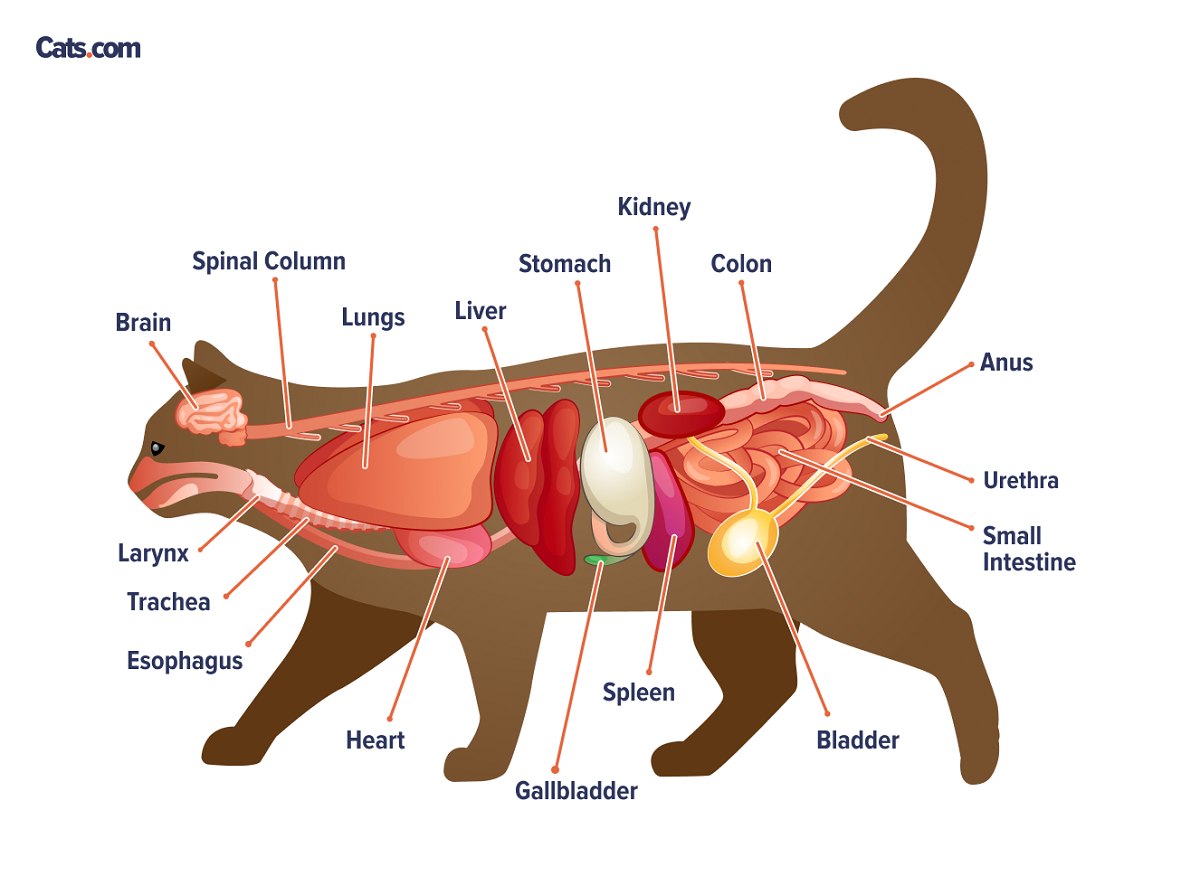
A cat is a highly optimized chaos-powered biological machine. Here’s how the core systems work:
1. Locomotion & Physics Engine
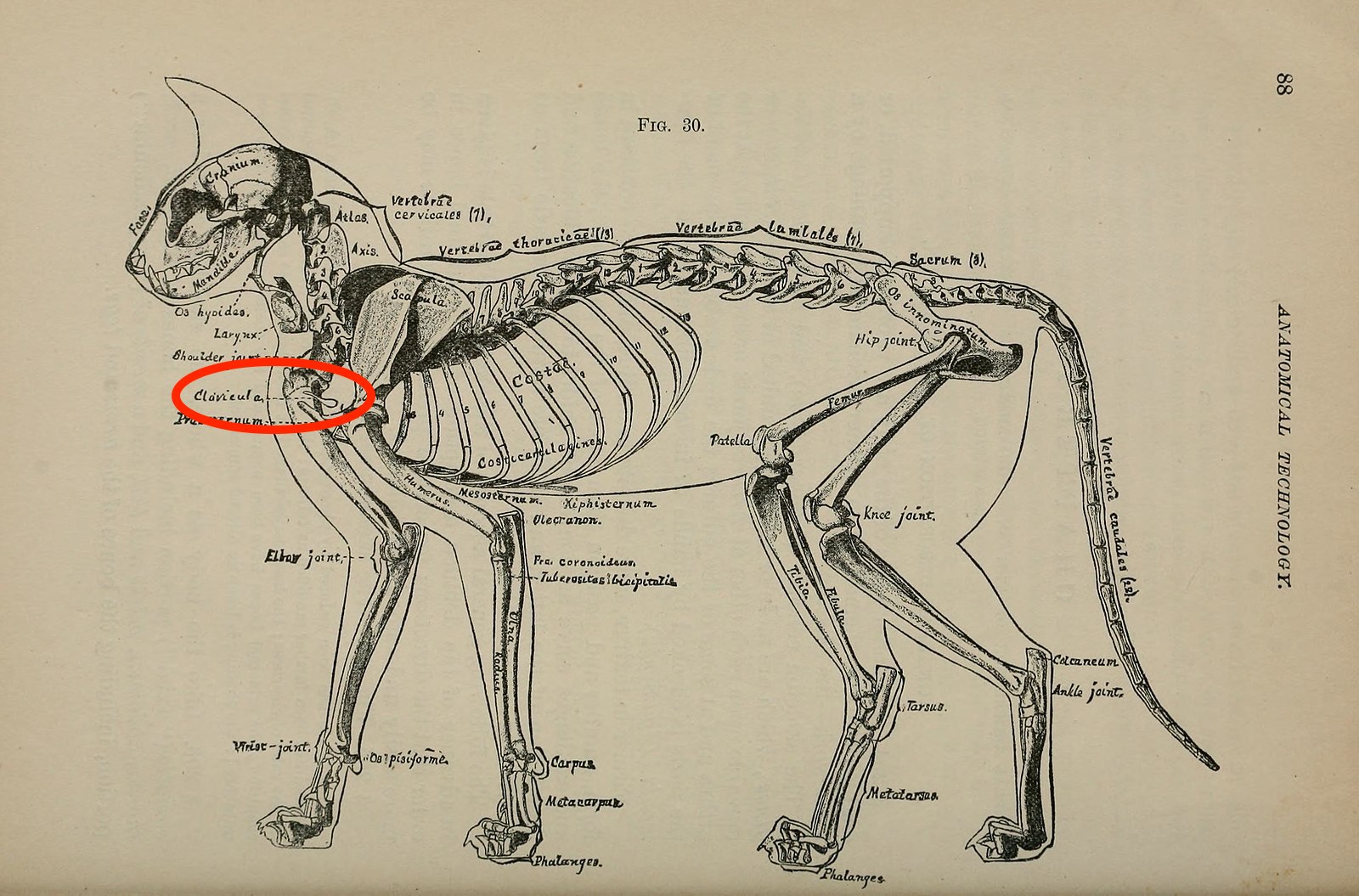
- Liquid Skeleton™: Cats have a very flexible spine and a floating clavicle, allowing them to squeeze through any opening roughly the size of their skull.
- Silent Mode: Toe-walking (digitigrade stance) + padded paws = stealth movement.
- Righting Reflex: Inner-ear gyroscopes + spinal twist let cats reorient mid-air and usually land on their feet.
2. Sensory Array
- Eyes: Optimized for low light (excellent night vision, poor close-up focus).
- Ears: Independently swiveling radar dishes that triangulate sound.
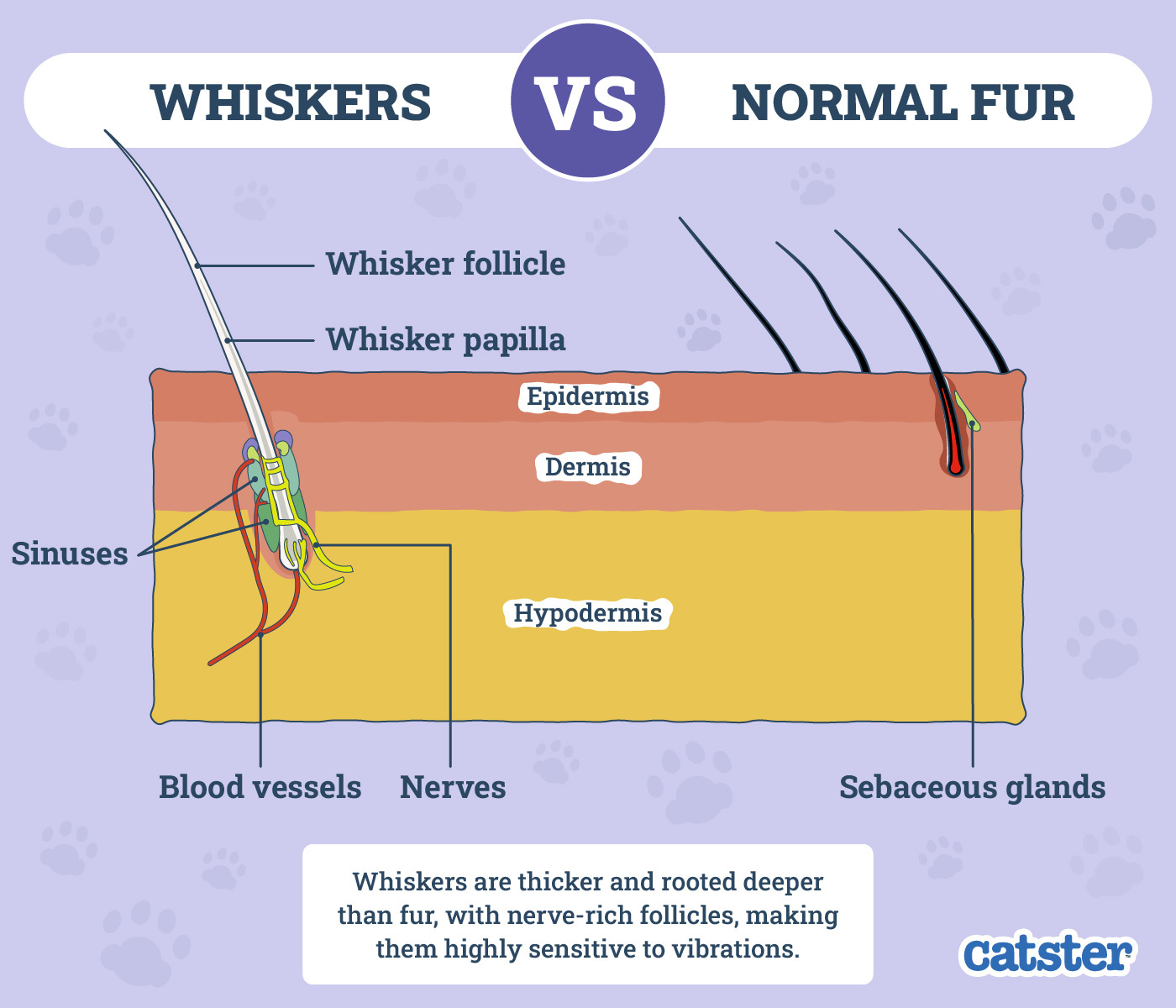
- Whiskers: Precision proximity sensors that detect airflow, gaps, and mood.
- Nose: Smell > sight for identification and safety checks.
3. Power Management
- Solar Charging: Actively seeks sunbeams for passive recharging.
- Sleep Cycle: 12–16 hours/day to conserve energy for sudden 3 a.m. parkour.
- Zoomies Protocol: Random bursts of kinetic energy to prevent system stagnation.
4. Communication Interface
- Meows: Mostly for humans. Cats rarely meow at other cats.
- Purring: Multifunction signal (contentment, self-soothing, healing frequency).
- Tail Language: Mood indicator, balance aid, and mild threat system.
- Slow Blink: Non-verbal “I trust you / you are acceptable.”
5. Behavior Algorithms
- If I Fits, I Sits: Spatial dominance subroutine.
- Knock Object Off Surface: Gravity testing + attention acquisition.
- Ignore You Until You’re Busy: Core scheduling conflict feature.
- Stare at Wall: Possibly bug detection, possibly interdimensional monitoring.
6. Maintenance Requirements
- Food (must contain taurine)
- Clean litter box (or protest will occur)
- Vertical territory (cats think in 3D real estate)
- Respect for personal boundaries (which may change without notice)
In Summary
A cat is:
- A predator in a domestic shell
- A physics exploit with fur
- Emotionally independent but socially bonded
- Half roommate, half ancient deity